What Is a HECM Tenure Payout, and When Should It Be Used?
Reverse mortgage tenure payouts provide predictable monthly cash flow, while LOC conversions offer flexibility and potentially larger payments later in retirement.
Dan Hultquist
Can a Reverse Mortgage LESA Run Out?
Learn how LESA funds can run out, why annual reviews matter, and how borrower notifications and backup payment options help cover taxes and insurance costs.
Dan Hultquist
The Case for Reforming the HECM Second Appraisal Policy
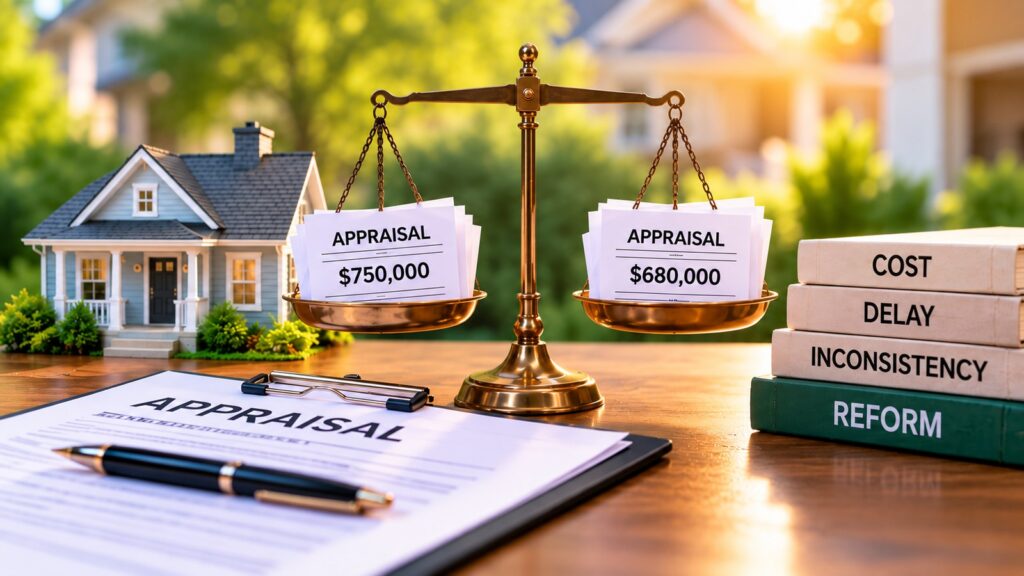
The HECM Second Appraisal Policy adds cost, delay, and inconsistency. FHA should use modern valuation technology and reserve second appraisals for material valuation concerns.
Dan Hultquist
Comparing ARM and Fixed-Rate Reverse Mortgages
Fixed-rate reverse mortgages offer stability, while adjustable-rate options provide greater flexibility, future access to funds, and a growing line of credit.
Dan Hultquist
Why is my Reverse Mortgage recorded at 150% of my home’s value?
The 150% figure stated in reverse mortgage documents can be confusing to a borrower who may believe it is their loan balance.
Dan Hultquist
How Higher Interest Rates Impact Reverse Mortgages
Higher rates at application may reduce HECM proceeds, but they generally don’t affect qualification or required monthly payments. Higher ongoing rates will increase accruals but
Dan Hultquist
Does the HECM Line of Credit Increase “Dollar-for-Dollar” With Each Prepayment?
With an adjustable-rate HECM, voluntary prepayments increase the available line of credit dollar-for-dollar when posted, preserving flexibility and access to future funds.
Jeff Birdsell
Do Reverse Mortgages Hurt the Kids?
Reverse mortgages may reduce future home equity but can ultimately benefit borrowers and their children with non-recourse protection and by preventing depletion of other assets.
Dan Hultquist
What is a Reverse Mortgage ESNBS?
Can non-borrowing spouses tied to pre-2014 HECMs qualify to remain in the home after the last borrower dies? Let’s find out.