
Reverse News & Views
News, training, stories, and insights shaping the Reverse Mortgage industry
Sign up to receive an email whenever a new Article gets posted to this News & Views site.
It is free, and you can cancel at any time.

•
What is a “HECM DEBT CONSOLIDATION?”
HECM Debt Consolidation uses home equity to pay off mortgages and consumer debt but without required monthly principal and interest payments. Learn how it can reduce foreclosure risk, improve cash flow, and simplify a homeowner’s finances.

•
Why Do Seniors Distrust Reverse Mortgages?
Seniors often distrust reverse mortgages due to lingering memories of the 2008 housing crisis, media-driven misconceptions, and misunderstanding of borrower obligations. Concerns about losing the home and harming heirs persist. Addressing these fears helps transform skepticism into informed, productive conversations.
•
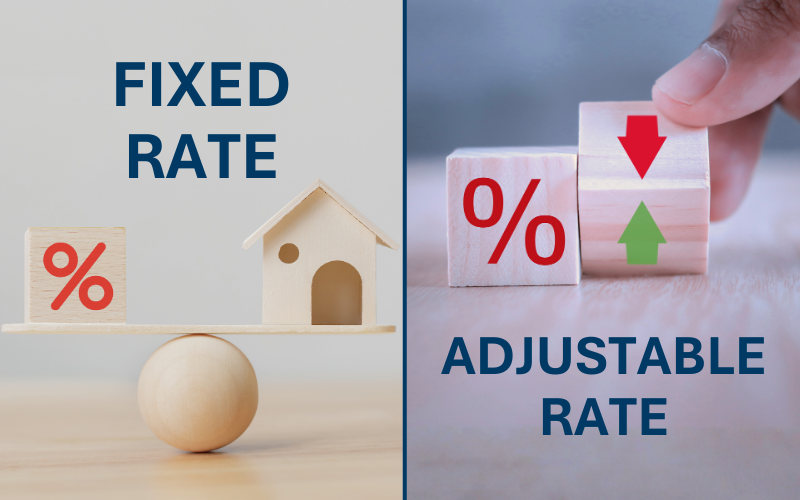
Why do 99% of HECM Borrowers Choose ARMs?
Choosing between a fixed and adjustable-rate reverse mortgages isn’t just about interest rate. It’s about strategy. While fixed rates offer stability, adjustable-rate HECMs provide flexibility and a powerful growing line of credit. You decide which option best fits your retirement plan.

•
Do You Speak Forward Mortgage… or Reverse Mortgage?
You’ve probably heard people say that reverse mortgages are complex. I’d argue they are simply unfamiliar. Most homeowners have spent decades paying a traditional, or “forward,” mortgage. So, when they encounter a reverse mortgage, the structure feels foreign. Maybe they just need to learn a different language.
Let’s translate.
REPAYMENT TERMS
At their core, reverse and forward mortgages aren’t opposites. If a homeowner with a reverse mortgage chooses to make monthly payments the same way they did with a traditional mortgage, the outcome would look very similar: the loan balance would shrink over time.
The key difference is that reverse mortgages don’t require monthly principal and interest payments. Consequently, reverse mortgage loan balances will typically increase over time. That doesn’t make it risky. Rather it reflects a loan designed to support cash flow during retirement instead of repayment.
INTEREST RATES
Most forward mortgages keep things simple: One interest rate and its one job is to determine interest and monthly payments.
Reverse mortgages, specifically the FHA-insured Home Equity Conversion Mortgage (HECM), use two rates, each with a distinct purpose:
Expected Rates are used to calculate how much money the homeowner qualifies for at the beginning of the loan.
Note Rates are used to calculate how the interest accrues and how the line of credit grows after the loan closes.
Also, while most forward mortgages are fixed-rate loans, most reverse mortgages are adjustable-rate. This variable rate structure allows homeowners to access funds over time instead of taking everything upfront.
THE LANGUAGE OF REVERSE
One of the biggest hurdles for both borrowers and loan originators is terminology. Reverse mortgages use different words because they solve different problems.
NOTE: REVERSE plus software allows the user to use the forward language equivalent if desired.
Here are a few key TERMS to know:
Principal Limit Factor (PLF) – Forward loans use the term Loan-to-Value (LTV) instead. But reverse mortgages use PLFs, which account for the borrower’s age and interest rates to determine borrowing capacity.
Mandatory Obligations – These are items that must be paid at a reverse mortgage closing, such as existing mortgages and closing costs. This figure may influence how much money is available to the borrower in the first year.
Financial Assessment – Reverse mortgages are underwritten for sustainability. Lenders review credit history, property charge history, and residual income to ensure the loan works long-term.
Life Expectancy Set-Aside (LESA) – Since reverse mortgages don’t build a traditional escrow account, a portion of available funds may be set aside to pay property taxes and insurance over time.
Non-Recourse Protection – All U.S. reverse mortgages are non-recourse. That means neither the homeowner nor their estate will owe more than the home is worth when it’s sold, no matter how long the loan lasts.
Reverse mortgages aren’t just loans, they solve critical issues related to longevity, cash flow, and housing stability. To do that one must understand the repayment terms, rates, and be able to speak the language of reverse. Once you do, you’ll find that reverse mortgages aren’t complex at all.

•
Clarifying the Reverse Mortgage Occupancy Requirements
Many homeowners are incorrectly told that leaving their home for a certain number of days will jeopardize a reverse mortgage. In reality, occupancy rules are more flexible. As long as the home remains the borrower’s principal residence and the servicer is notified of extended absences, the loan can remain in good standing.
•
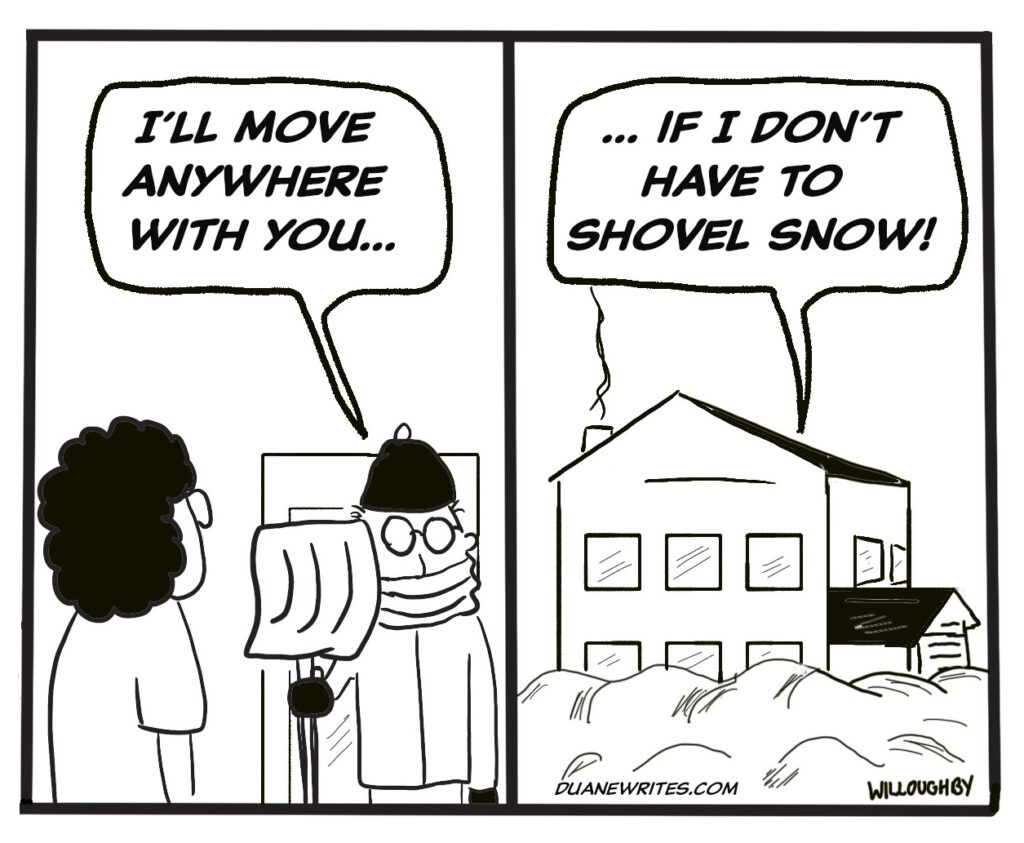
Colder Winter May Fuel Reverse Mortgage Demand
Rising winter heating costs can strain retirees on fixed incomes, exposing gaps in monthly cash flow. This summary explains how higher utility bills may drive interest in reverse mortgages, especially HECMs, as a way to access home equity, manage unexpected expenses, and preserve long-term financial stability.
•
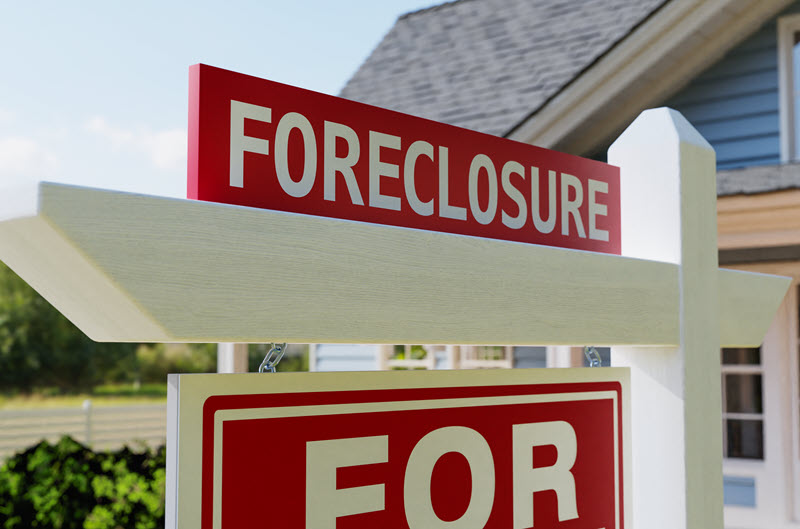
How Can a Reverse Mortgage End in Foreclosure?
It’s possible to have a foreclosure with a reverse mortgage… but not for the reason most people assume. Reverse mortgages have no required monthly principal and interest payment, so they don’t default for the traditional “missed payment” reason.
So why would a foreclosure happen? Read the article to find out.

•
Why do Reverse Mortgages have two rates?
Reverse mortgages, particularly adjustable-rate HECMs, are structured with two interest rates. The “expected rate” is used to determine the initial loan amount at closing. The “note rate” applies after closing and controls how interest builds over time and how the available line of credit grows.
•
What is a HECM Limit? Why Does it Matter?
HUD has announced they raised the 2026 HECM Limit, giving many high-value homeowners access to more usable equity. This boost not only enhances potential proceeds but also opens the door for timely outreach to prospects who may now benefit from improved reverse mortgage options.

•
What is a Reverse Mortgage 95% Payoff?
The federally insured HECM is a non-recourse loan ensuring borrowers and estates never owe more than the home’s value at sale. Upon becoming Due and Payable, heirs may satisfy the debt for the lesser of the balance or 95% of appraised value, provided a post-death transfer of title occurs.