
Listen To This Article
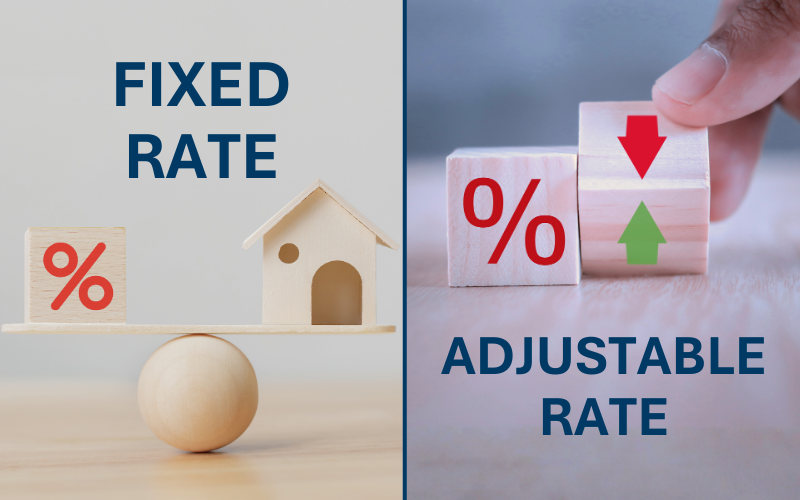
The popular reverse mortgage known as a Home Equity Conversion Mortgage (HECM) can be a fixed-rate or adjustable-rate mortgage. Both varieties are federally insured and offer the same core consumer protections, like non-recourse protection and no required monthly principal and interest payments. However, the structure and flexibility of each option are very different which explains the extreme popularity of the ARM.
THE FIXED-RATE HECM
Fixed-rate reverse mortgages offers one primary advantage: the interest rate never changes over the life of the loan. For borrowers who value predictability this can feel reassuring. But that stability comes with a trade-off.
Fixed-rate HECMs are closed-end loans. This means the funds are disbursed only once at the time the loan closes. Borrowers may access up to their initial disbursement limit, but any remaining borrowing capacity is forfeited.
There are no future draws. There is no line of credit. There is no flexibility.
Fixed-rate HECMs may work alright when the only goal is an immediate elimination of a large forward mortgage. But retirement is when flexibility matters most.
THE ADJUSTABLE-RATE HECM (ARM)
The adjustable-rate HECM is an open-ended loan. This means borrowers can borrow WHAT they want WHEN they want. This is clearly built for retirement planning as it puts the borrower in control of draws, and voluntary payments increase future borrowing capacity.
The real strength of the HECM ARM lies in its structure, particularly the line of credit (LOC). The unused portion of the borrower’s Principal Limit grows over time at the same compounding rate as the loan balance. That growth feature transforms the ARM from a simple loan into an ever-expanding liquidity tool.
Better yet, the growing line of credit is not dependent upon future home value. In fact, the HECM LOC is not frozen, reduced, or eliminated when home values decline. This flexibility and security aligns closely with how retirement planning actually works: uncertain timelines, changing needs, healthcare variables, and market volatility.
IT”S NOT ABOUT THE RATE
The decision between fixed and adjustable is not about which rate is “better.” Rather it’s about which structure aligns with the homeowner’s long-term goals. If the goal is flexibility, emergency liquidity, tax-efficient cash flow, longevity planning, or long-term care planning, the adjustable-rate HECM is the superior product.
The HECM program was designed to provide monthly income streams and/or lines of credit. The adjustable-rate structure fulfills that vision far more effectively.
That’s why approximately 99% of HECMs today are ARMs. Not because borrowers ignore rates, but because retirees value flexibility, and retirement planning demands options, not constraints.