
Listen To This Article
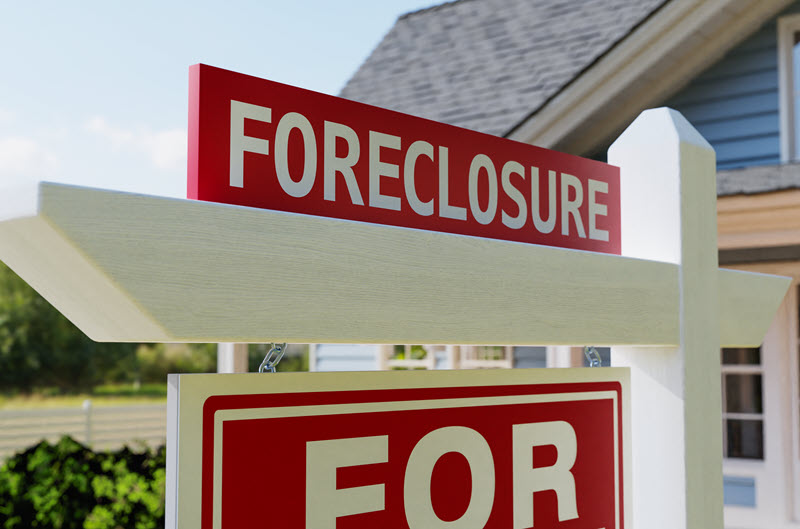
Any homeowner can lose a home to foreclosure. Yet when foreclosure involves a reverse mortgage, headlines often tell a much darker story. Lenders are vilified. The product is blamed. And the facts are rarely examined.
Most people associate foreclosure with one familiar cause: missing monthly mortgage payments. That makes sense for traditional loans. But it creates confusion when applied to reverse mortgages, which do not require monthly principal and interest payments.
So, it’s understandable that some homeowners, heirs, and even journalists ask: How could someone with no required mortgage payment possibly lose their home? Sadly, many never stop to ask that question.
Over the years, I’ve found it helpful to describe reverse mortgage foreclosures in two informal, but useful, categories: “BENEFICIAL foreclosures” and “NEUTRAL foreclosures.” These aren’t technical terms, but they help explain outcomes that are often misunderstood.
1. BENEFICIAL FORECLOSURES
Consider Susan. After her father passed away, Susan inherited his home with a reverse mortgage. The loan balance exceeded the home’s value, leaving no economic reason for her to sell. Rather than spend time, money, and energy managing the property, Susan chose to walk away. And that was entirely her right.
Thanks to the non-recourse feature of reverse mortgages, neither Susan nor her father’s estate was responsible for the shortfall. Ultimately, he borrowed more money than the home could satisfy. Furthermore, the non-recourse foreclosure was beneficial to Susan as she was not stuck paying a deficiency.
In this case, the foreclosure wasn’t a failure. For both borrower and heir, the outcome was financially beneficial.
2. NEUTRAL FORECLOSURES
Reverse mortgages eliminate required monthly mortgage payments, but they don’t eliminate all homeownership responsibilities. Borrowers must still pay property charges.
The most common foreclosure trigger for a living borrower is unpaid property taxes. When taxes go unpaid, foreclosure follows. This happens whether the homeowner has a reverse mortgage, a traditional mortgage, or no mortgage at all.
In these situations, the reverse mortgage is not the cause of foreclosure. It’s incidental. Neutral.
CONVENTIONAL WISDOM GETS THIS WRONG
The assumption that “reverse mortgages are inherently dangerous” is not only inaccurate, it’s backwards.
Seniors on fixed incomes are often vulnerable to foreclosure because of required monthly payments. Eliminating that obligation can significantly reduce default risk. Just as important, reverse mortgages unlock otherwise illiquid home equity, providing access to funds that can be used to pay taxes, insurance, and other critical expenses.
Yes, foreclosures can happen. They always have. But when properly understood, the reverse mortgage is often a solution to foreclosure risk rather than a cause of it.